

Google Career Certificates: Navigating Digital Tech Pathways
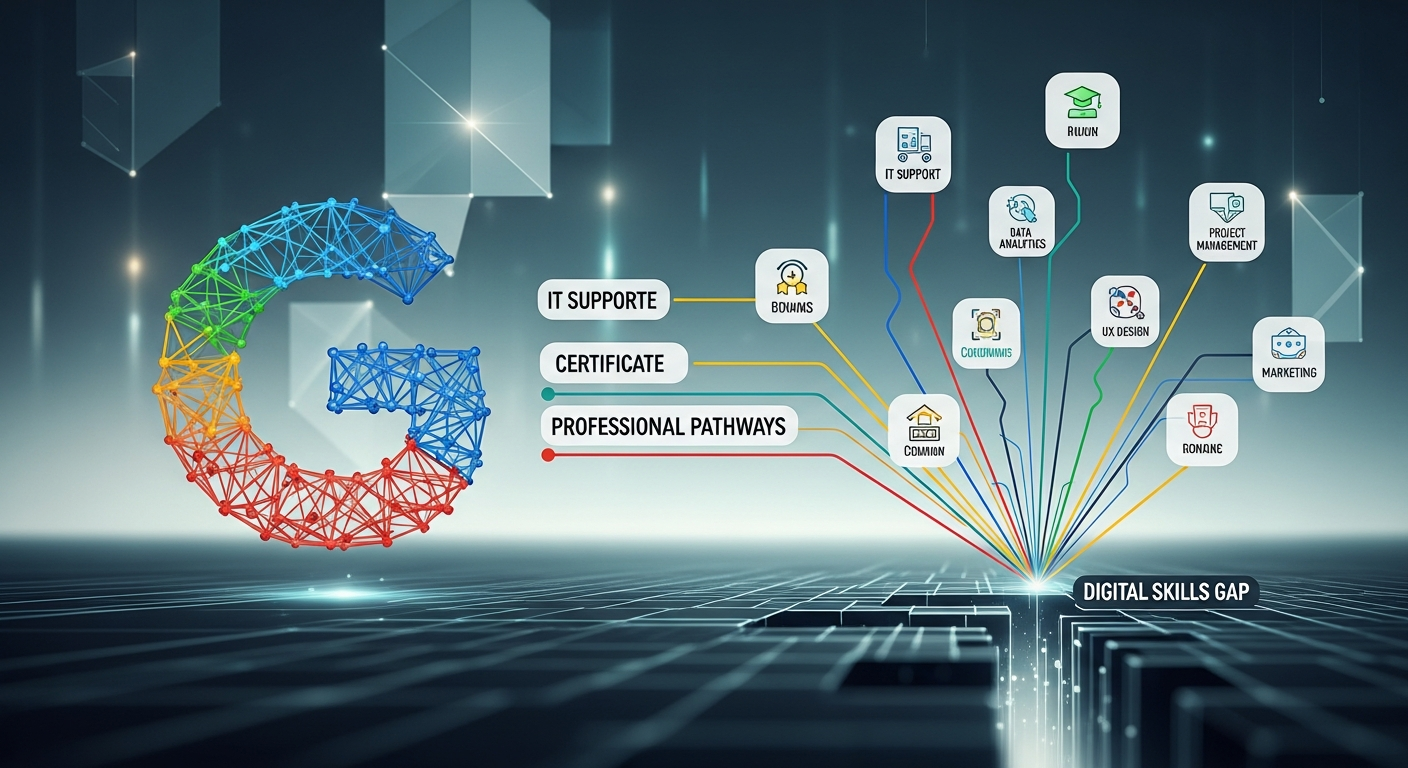
Google Career Certificates: Navigating Professional Pathways and the Digital Skills Gap
In an era where the digital economy is rapidly expanding, Google Career Certificates and professional pathways have emerged as essential tools for those looking to bridge the digital skills gap. The traditional four-year degree is no longer the only gateway to a high-paying career in technology. Google has positioned itself at the forefront of this shift, offering accessible training and professional development programs designed specifically to meet the rigorous demands of a modern, tech-driven workforce.
The Foundation of Google Career Certificates
The cornerstone of this initiative is the Google Career Certificate program. Hosted on Coursera, these professional credentials focus on high-growth fields such as IT Support, Project Management, and UX Design. Designed to be completed within three to six months without any prior experience, these programs provide a flexible alternative to traditional education.
The impact of these certificates is significant; Google reports that 75% of graduates achieve a positive career outcome—such as a new job, promotion, or salary increase—within six months of completion. This success rate is particularly encouraging for individuals who have reinvented their career by moving from unrelated fields into technical roles.
Specialized Training in Cybersecurity and Data Analytics
For those looking to enter the critical field of digital defense, the Google Cybersecurity Certificate on Coursera provides a robust curriculum. Learners gain hands-on experience with Python, Linux, SQL, and Security Information and Event Management (SIEM) tools. This specific track not only prepares individuals for roles like Security Analyst or SOC Analyst but also readies them for the CompTIA Security+ exam, providing a dual-credential advantage in a competitive market.
The data-driven landscape also offers immense opportunity. The Google Data Analytics Professional Certificate covers the entire data lifecycle—from cleaning and analysis to visualization—using industry-standard tools like R programming and Tableau. Graduates gain exclusive access to the Google Career Certificates Employer Consortium, a network of over 150 global employers who actively consider certificate holders for open roles. This focus on practical employability is essential as global markets face shifting talent demands, a trend highlighted in the ACS Australia’s Digital Pulse 2024 Report.
Immersive Learning Through Google Apprenticeships
For individuals seeking an immersive, “learn-while-you-earn” experience, the Google Build Your Future: Apprenticeships provide a unique entry point. These paid, fixed-term programs last between 12 to 24 months and are specifically designed for people from non-traditional backgrounds.
Apprentices spend approximately 80% of their time on real-world projects and 20% on technical training. These positions are available in tracks such as Software Engineering or Digital Marketing across global hubs in the US, UK, and India, offering a direct bridge between theoretical learning and professional application.
Navigating the Google Careers Portal
For those ready to transition into the corporate environment, the Google Careers Portal serves as the primary gateway for employment. While many teams at Google have transitioned to a hybrid model, remote and telework-eligible roles remain available in specialized divisions like Google Cloud, Sales, and Technical Support.
When applying, it is important to note that recruitment standards have evolved. To be successful, candidates should understand how the Google interview process has changed to better reflect modern technical requirements. By combining targeted certifications with these professional pipelines, Google is effectively democratizing access to the tech industry, allowing motivated individuals to build a career based on demonstrated skills rather than traditional credentials.