

Modern QSR Blueprint: Blending Technology & Hospitality
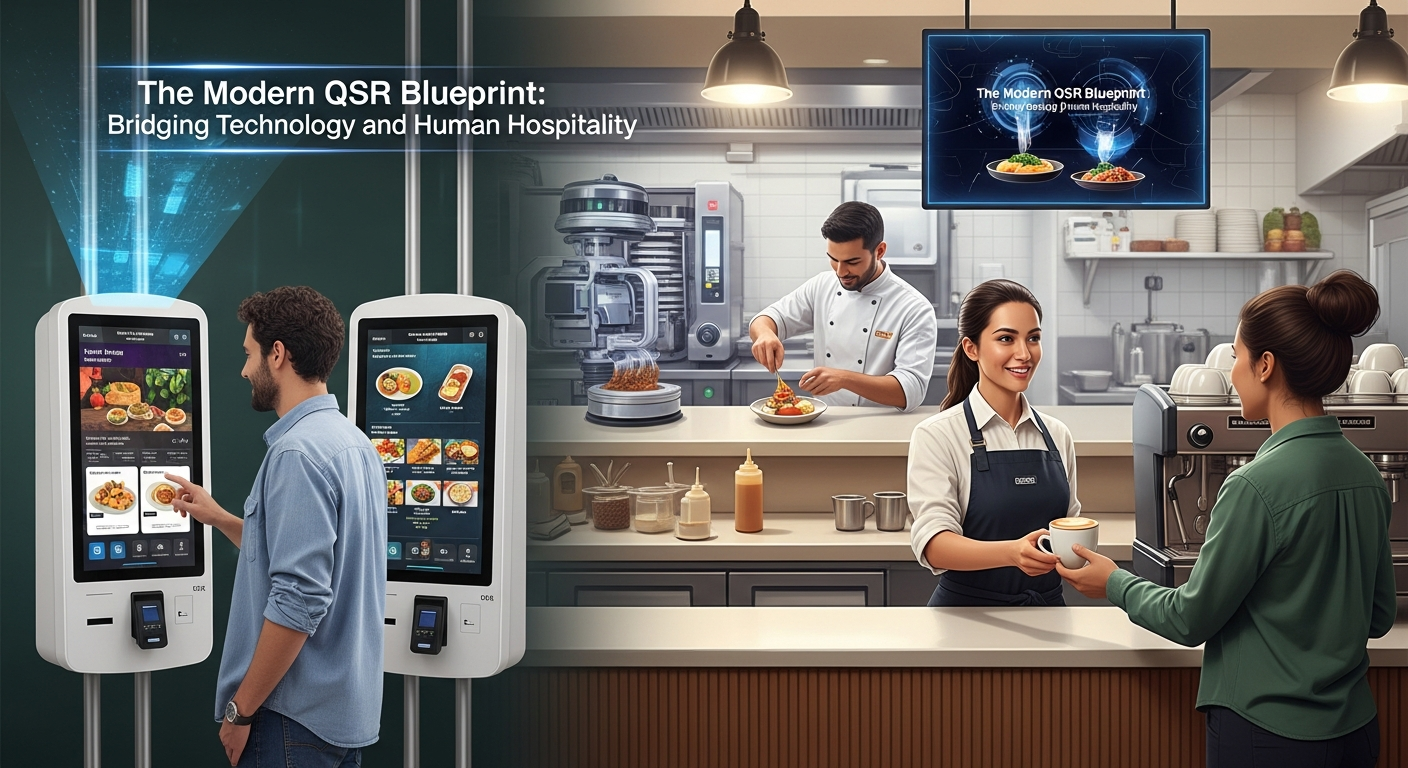
The Modern QSR Blueprint: Bridging Technology and Human Hospitality
The Quick Service Restaurant (QSR) industry is undergoing a fundamental transformation, evolving into a sophisticated ecosystem where hospitality technology and professional development intersect. No longer just a source of entry-level labor, the sector now utilizes modern talent acquisition through AI filters and people analytics to build robust leadership pipelines. With a high percentage of franchise owners and corporate executives having started their journeys in hourly crew positions, the focus has shifted toward expansive professional growth and sophisticated operational frameworks.
From Crew Member to Corporate Leadership
Modern entry-level positions are now the starting point for a comprehensive “Blended Learning” journey. Unlike the task-based instruction of the past, today’s training models combine gamified digital modules with hands-on coaching. This approach ensures that crew members are not just learning how to operate equipment, but are also developing the soft skills necessary for management.
For those moving into management, training focuses on three core pillars: People Leadership, Business Results, and Operational Excellence. This transition is often supported by expansive corporate initiatives; for instance, programs such as McDonald’s Archways to Opportunity provide the education and career training necessary to turn a part-time role into a long-term career path. By focusing on P&L management and conflict resolution, QSRs are effectively training the next generation of business leaders.
The Rise of the Guest Experience Lead
As digital automation becomes the standard, the industry has identified a critical need to maintain a human connection. The introduction of the Guest Experience Lead (GEL) role represents a strategic shift in service innovation. While self-service kiosks and mobile apps handle the logistics of the transaction, the GEL focuses on “hospitality moments”—greeting guests, assisting with app integration, and providing table service.
Research indicates that this specialized role is vital for maintaining brand loyalty in an increasingly automated environment. By acting as the face of the brand, the GEL mitigates the perceived coldness of digital ordering, leading to higher Customer Satisfaction (CSAT) scores. This balance of high-tech and high-touch service ensures that efficiency does not come at the cost of personal connection.
Transparency and Regulatory Shifts
The labor market for food service is also being reshaped by significant regulatory changes. Most notably, California’s AB 1228 has set a new benchmark for the industry, establishing councils to oversee working conditions and raising minimum wages for many fast-food workers to $20 per hour as of April 2024.
This shift toward wage transparency is no longer just a legal requirement in states like Colorado and New York; it has become a vital recruitment tool. In a competitive labor market, brands that embrace transparent pay scales and clear advancement paths are better positioned to attract and retain talent. This evolving landscape is reflected in the 2024 State of the Restaurant Industry report, which highlights how workforce challenges are driving unprecedented levels of operational adaptation.
The Omnichannel Infrastructure
Powering these changes is a sophisticated technology framework centered on omnichannel integration. Modern QSR systems synchronize data across mobile platforms, delivery aggregators, and in-store Kitchen Display Systems (KDS) in real-time.
Beyond the customer-facing interface, corporate frameworks are increasingly leveraging Artificial Intelligence (AI) for predictive scheduling and automated inventory replenishment. The way AI and robotics are redefining the global economy mirrors these internal shifts, as advancements are designed to lift the administrative burden from managers. By automating manual data entry and logistics, technology allows management teams to shift their focus back to where it matters most: the guest experience and the development of their crew. This synergy between human leadership and technological precision is defining the future of the QSR landscape.