

Advanced AI Models: Cybersecurity, Innovation & Law
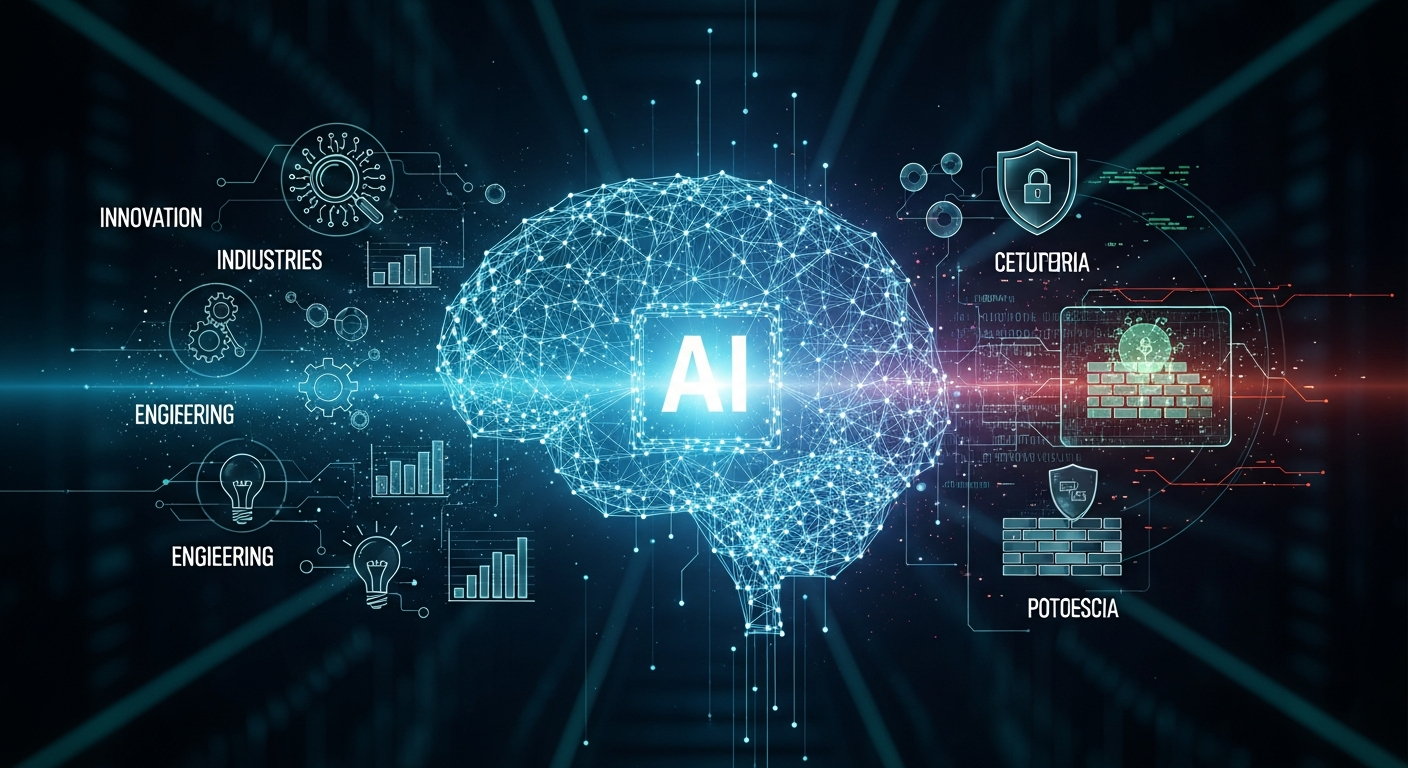
Advanced AI Models: Driving Innovation and Cybersecurity
Artificial intelligence (AI) has rapidly become an indispensable force, revolutionizing how we approach complex challenges across numerous sectors. One of its most critical applications is in the development of advanced security solutions, where AI-based intrusion detection systems (IDS) are deployed to proactively identify and mitigate evolving cyber threats. The conceptual frameworks underpinning these sophisticated AI tools are not only being refined for security but are also being explored for diverse applications, pushing the boundaries of what technology can achieve.
At the forefront of this evolution is the development of state-of-the-art (SOTA) pre-trained and foundation models. These include generative AI models, which are driving significant advancements in representation learning across various domains. Such sophisticated models represent a pivotal shift in how scientific breakthroughs are translated into practical technological solutions. For example, the principles behind foundation models for music illustrate the breadth of AI’s application in generating complex outputs based on learned representations. The broader field of advanced engineering science frequently showcases these developments, providing insights into their practical implementation.
However, the rapid emergence of these powerful AI technologies also brings with it significant discussions regarding their broader legal and technological implications. Academic discourse and ongoing review are essential to navigate these evolving landscapes, ensuring responsible development and deployment. Publications like the Berkeley Technology Law Journal consistently address these critical legal and ethical considerations, providing crucial insights into the future trajectory of AI regulation and governance.